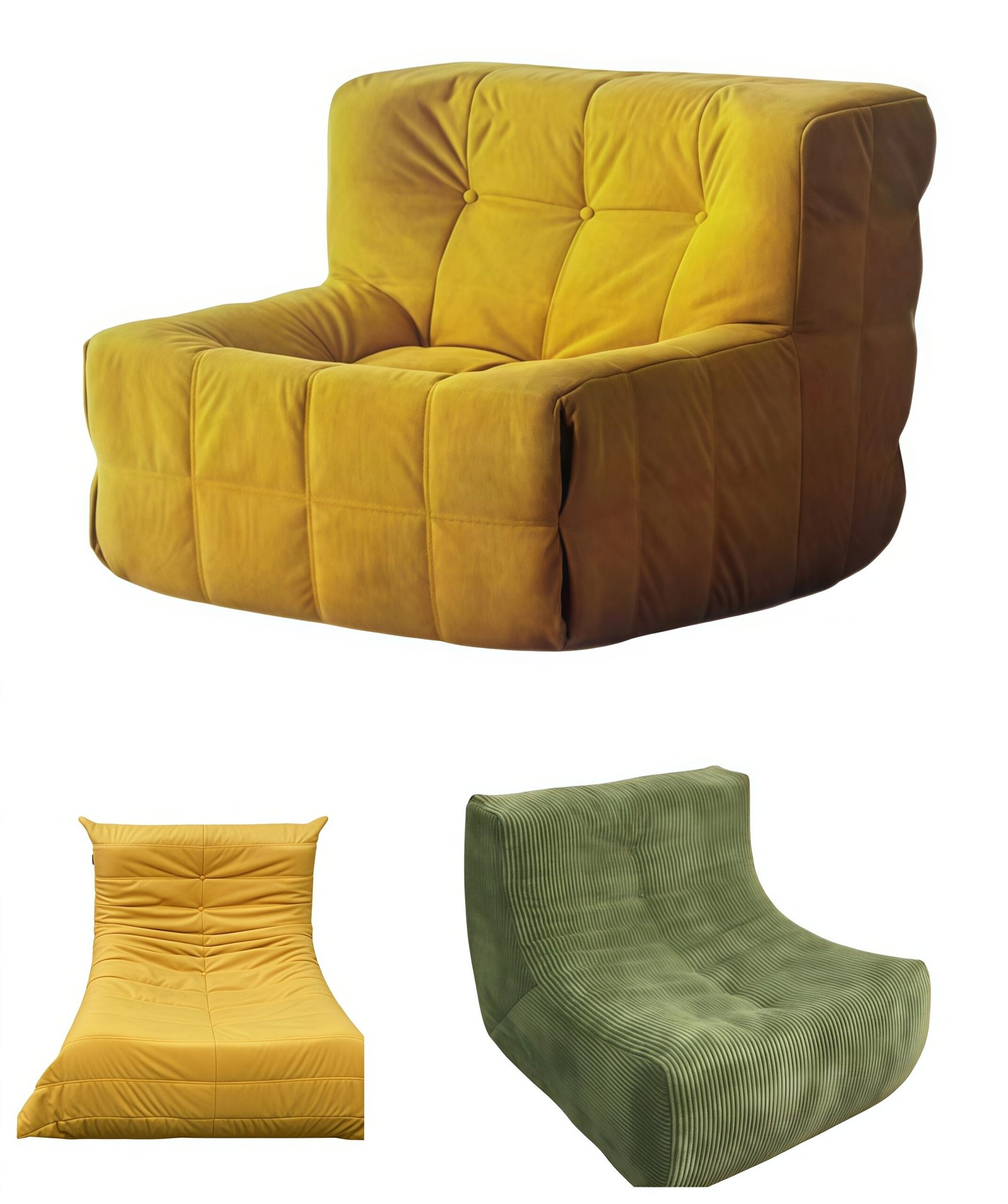
How to Choose a Compression Sofa OEM Factory: A Practical Guide
Finding the right compression sofa OEM (Original Equipment Manufacturer) is crucial for ensuring product quality, controlling costs, and securing a reliable supply chain. This guide outlines the key factors to consider.
1. Assess Core Capabilities
- Technology & Equipment: Check for proprietary compression/assembly patents and modern production lines. Ask about their R&D team’s size and experience.
- Quality Control: Verify certifications (e.g., ISO 9001). Review their QC process from raw materials to final packaging. Request third-party test reports for fabric and frame strength.
- Supply Chain: Confirm main suppliers for foam, fabric, and wood. Transparency here is key to stability and material quality.
2. Evaluate Production & Logistics
- Capacity & Flexibility: Determine monthly output and standard lead times (e.g., 30-45 days for bulk orders). Check their Minimum Order Quantity (MOQ) and ability to handle smaller batches.
- Packaging & Shipping: Examine their compression ratio and packaging durability. Experience with export logistics and international standards is a plus.
3. Analyze Costs & Conduct Site Visits
- Cost Structure: Request a detailed cost breakdown (Bill of Materials). Negotiate pricing tiers based on order volume and raw material price adjustment clauses.
- Factory Tour: Inspect key areas: raw material warehouse (check storage conditions), production floor (observe workflow), quality lab (review testing), and finished goods warehouse. Interview key staff like the Technical and Production Managers.
4. Mitigate Risks & Choose Wisely
- Risk Management: Sign an NDA to protect designs. Define clear quality inspection standards (AQL levels) and liability for defects. Assess the factory’s financial health.
- Factory Tiers: Categorize potential partners:
- Tier A (Strategic): Large scale, own patents, export experience.
- Tier B (Core Supplier): Mid-size, reliable production, domestic brand experience.
- Tier C (Supplemental): Smaller, suitable for basic models or overflow orders.
- Geographic Clusters: Consider factories in key Chinese furniture hubs like Foshan/Dongguan (export expertise), Anji (cost-effective), or Changzhou (fabric specialization).
5. Final Steps: Trial & Contract
- Start with a pilot order (e.g., 50-100 units) to test quality and processes.
- The contract should include: price adjustment mechanisms, late delivery penalties, warranty terms (12-24 months), and product liability insurance requirements.